Llama Applique: A Craft Fair-Ready Embroidery Design
First Impression: Playful, Approachable, and Instantly Recognizable
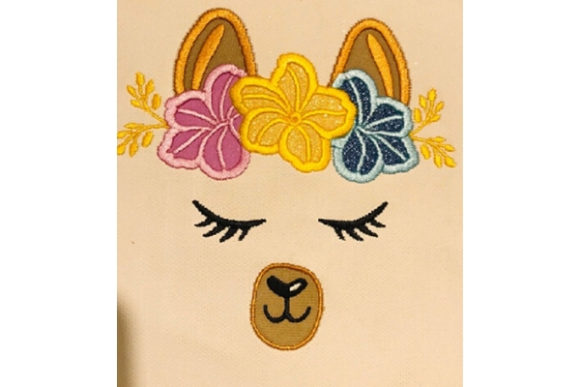
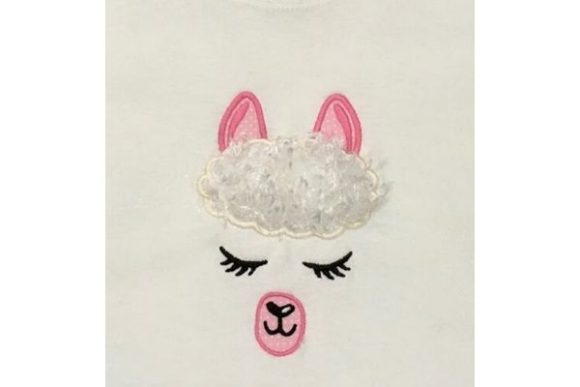
As an embroidery designer who’s prepped over 200 craft fair booths—from snowy holiday markets to sun-drenched summer fairs—I opened Llama Applique expecting charm. What I got was more: a clean, confident silhouette with expressive eyes and soft contouring that reads *cute but not cutesy*, *whimsical but not childish*. It lands squarely in the sweet spot between modern farmhouse and lighthearted boutique—ideal for handmade product lines that balance personality with polish. The name alone signals fun, and the design delivers without leaning on cliché. That matters when customers are scanning your booth at 10 a.m. on Saturday, coffee in hand and attention span measured in seconds.
Where Llama Applique Shines On Real Craft Fair Products
This machine embroidery design thrives where character meets utility. On a natural canvas tote bag? Perfect—it anchors the front panel without overwhelming. As apron embroidery above the pocket? It adds warmth and story, especially paired with neutral linen or oatmeal cotton. For tea towel embroidery, it holds up beautifully on medium-weight terry or waffle weave—if you use light cutaway stabilizer and avoid dense stitch clusters near the hem. As an embroidered patch, Llama Applique shines: its balanced proportions and clear outlines make it easy to trim, fuse, and attach to denim jackets or market bags. And on small-format items like fabric pouches or pillow covers? It scales down cleanly to 3–4 inches—no detail loss, no fuzzy edges.
What Works—and What Needs Careful Use
Llama Applique is forgiving across most common handmade product substrates—but not magic. Its strength lies in simplicity, not intricacy. Avoid using it on ultra-thick fabrics (like heavy canvas or quilted caps) without testing hoop tension and needle type first. On dark fabric, confirm your thread colors provide enough contrast—especially around the eye and ear contours. Curved surfaces like baseball caps demand careful hooping and possibly reduced density; skip tight curves unless you’ve validated stitch behavior on scrap. And while it photographs well for Etsy seller listings, avoid shrinking it below 2.5 inches: the neck curve and facial suggestion soften into ambiguity. No tiny lettering or micro-details here—just intentional, readable shape. That’s why it converts so well in person.
Booth Impact & Buyer Engagement
In a crowded craft fair aisle, Llama Applique stands out by being *both familiar and fresh*. Customers recognize the animal, smile at the charm, and immediately imagine it on their own things—a gift for a teacher, a birthday treat for a teen, a “just because” purchase for themselves. It supports brand consistency across your line: pair it with other Wild Animals-themed designs (as the description hints), and you’ve got an instant collection—no rebranding needed. As a craft fair product, it elevates perceived value without raising price points. A $28 embroidered tea towel feels special with Llama Applique; a $14 pouch becomes giftable. And yes—it makes excellent booth samples. Stitch one onto a mini pillow cover, pin it to a burlap backdrop, and watch people pause, point, and ask, “Do you do that in alpaca gray?”
Production Notes Every Embroidery Designer Should Run Through
Before cutting into your best linen or loading ten hoops for batch production, do this:
- Test the design on scrap fabric—same weight, same finish, same stabilizer combo you’ll use for finished goods.
- Check thread contrast on both light and dark backgrounds. Two shades of ecru? Try charcoal gray thread on navy—surprisingly sophisticated.
- Review spacing and stitch density. This design avoids excessive fill, but inspect where the ear meets the head: any nesting or overlapping stitches could cause puckering on textured towels.
- Confirm hoop size compatibility. If your machine requires rehooping mid-design, note where the breaks fall—and whether they align with natural seams or folds on your target product.
- Use the right stabilizer: light cutaway for stable wovens, tear-away for tea towels, fusible web for patches. Skip heavy cutaway on lightweight chambray—it’ll stiffen your apron beyond wearability.
- Create at least one real mockup—not just a digital preview. How does it drape on a tote? Does the stitch sit flat on a curved pouch seam?
- Compare fabric colors in natural light. That “oatmeal” linen may read beige indoors but warm taupe under tent lighting—adjust thread accordingly.
- Confirm commercial licensing before selling finished products. Since the description says it’s a digital embroidery file usable in multiple machines, verify whether your license permits resale of physical goods—many designers require a separate commercial-use add-on.
Final Verdict: A High-Return, Low-Risk Embroidery Asset
Llama Applique isn’t just another Embroidery download—it’s a smart, scalable small shop product engine. It performs consistently across categories, photographs cleanly for printable mockup libraries and Etsy listings, and reinforces handmade quality without demanding artisan-level patience. It’s versatile enough for seasonal swaps (add a tiny flower crown for spring, a scarf for winter), yet distinct enough to become a signature. For the Etsy seller building a cohesive shop, the craft fair seller refreshing booth inventory, or the boutique maker curating giftable handmade product, this machine embroidery design earns its place—not as filler, but as a frontline favorite. Just remember: great design is only half the equation. Pair Llama Applique with thoughtful execution, and you’re not just stitching a llama—you’re stitching a sale.