Caught in the Middle Flower
A Craft Fair Designer’s Real-World Review Before Booth Day
As an embroidery designer who’s packed, stitched, and sold at over 47 craft fairs—and watched which designs fly off the table versus which ones linger in the basket—I approached Caught in the Middle Flower with equal parts curiosity and skepticism. The title alone hints at playful tension: not too bold, not too quiet—just right in that sweet spot where handmade charm meets visual clarity. Based on the description—“an original quality embroidery for your next sewing project… lovely on any fabric or clothes”—this isn’t a maximalist statement piece. It’s a thoughtful, versatile machine embroidery design built for real-world making.
First Impression: Softly Confident, Not Over-Designed
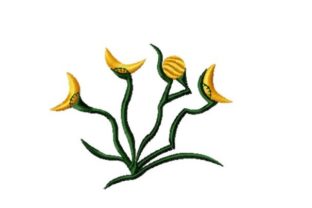
Caught in the Middle Flower reads as gentle modern-farmhouse: delicate but grounded, floral but unfussy. It doesn’t scream “festive” or lean into cottagecore whimsy—it feels intentional, like a well-chosen detail rather than a decorative afterthought. That’s gold for craft fair buyers scanning a crowded booth. They’re not stopping for noise—they’re pausing for nuance. And this design delivers it: balanced composition, implied movement in the petals, and just enough structure to hold attention without demanding it.
Where It Shines on Handmade Products
This design is a quiet powerhouse across multiple craft fair product categories:
- Tote bag design: Centered on a natural canvas or linen tote, Caught in the Middle Flower reads beautifully at 4–5 inches wide—large enough to be legible from three feet away, small enough to leave breathing room around the stitching.
- Apron embroidery: Perfect above the pocket or centered on the bib. Its soft scale complements the functional elegance of a handmade apron without competing with pockets or ties.
- Tea towel embroidery: Works exceptionally well on medium-weight cotton or linen tea towels. The design’s open areas prevent stiffness, and its shape avoids the dense corners where thread can bunch on textured surfaces.
- Embroidered patch: At 2.5–3 inches, it holds detail cleanly—even when heat-applied. Ideal for bundling as a small-shop product or pairing with iron-on backing for DIY kits.
- Fabric pouch & pillow cover: Scales elegantly up or down. On a 9×12 inch pillow cover, it anchors the center without overwhelming; on a 5×7 inch drawstring pouch, it becomes a refined focal point.
- Caps & market bags: Use with caution—curved surfaces and heavy canvas require testing. But on structured, pre-stabilized caps or lightweight canvas market bags, it reads clearly if digitized with smooth underlay and moderate stitch density.
What Makes It Sell—And What Makes It Stumble
Caught in the Middle Flower wins on booth display strength: it photographs cleanly for Etsy listings, translates well into printable mockups, and supports brand consistency across a line of coordinated handmade goods. Customers notice it because it feels *designed*, not dropped in. It elevates perceived value—not by shouting luxury, but by whispering care.
But don’t assume it’s foolproof. Here’s where practicality kicks in:
- Stitch density matters: If the original digital embroidery file includes tightly packed satin stitches or micro-fill areas, test on dark fabric first—dense zones may lose definition or cause puckering on textured towels.
- Small lettering? Unclear from description: If “Caught in the Middle” includes text, verify legibility at 2.5 inches. Tiny serif fonts blur fast on thick stabilizer or uneven fabric.
- Curved surfaces need prep: Caps and curved tote handles demand precise hooping and possibly cutaway + tear-away combo stabilizer—don’t skip the test run.
- Dark fabric contrast: Even “lovely on any fabric” depends on thread color selection. Always check how your chosen thread palette reads on black denim, navy canvas, or charcoal linen before batch production.
Design Notes Every Embroidery Business Owner Should Run Through
Before cutting fabric or loading hoops, treat Caught in the Middle Flower like a new team member—introduce it, test it, and confirm its readiness:
- Run a test stitch on scrap fabric matching your final product (e.g., tea towel weight, canvas tote, twill cap).
- Check thread contrast in natural light—not just under booth LEDs.
- Review spacing between elements: does the flower “breathe,” or do stems crowd petals?
- Confirm hoop size compatibility with your machines—and whether nesting multiple units is feasible for efficient batch production.
- Inspect stitch density visually: look for thread buildup in centers or along outlines that could stiffen delicate fabrics.
- Match stabilizer to both fabric *and* design weight—lightweight cutaway for linens, firm tear-away for stable cottons.
- Create at least one real mockup—not digital. Drape it, hold it, fold it. See how it moves and catches light.
- Compare across fabric colors: what works on oatmeal linen may vanish on heather grey.
- Verify commercial licensing status before selling finished products—this is non-negotiable for Etsy sellers and wholesale partners.
Final Thought: A Design That Earns Its Place
Caught in the Middle Flower isn’t flashy—but it’s dependable. In a sea of oversized florals and trendy phrases, it stands out by being quietly resolved. It supports storytelling (think: “crafted with intention,” “designed for daily beauty”) without needing explanation. For the Etsy seller building a cohesive shop, the small shop product owner curating seasonal collections, or the handmade market vendor balancing speed and soul—it’s a smart, scalable asset. Just remember: even the loveliest embroidery file needs respect for fabric, stabilizer, and human eyes. Stitch it thoughtfully, show it honestly, and let Caught in the Middle Flower do what it does best—hold space, gracefully.